Walk into a Rolex boutique with $10,000 cash and ask for a Submariner, and you'll be offered coffee, a business card, and a place on a waitlist measured in years. It's not rudeness and it's not artificial scarcity theater — it's arithmetic: Rolex makes about a million watches a year, and demand for the steel sport models runs several times that.
The good news: the waitlist game is optional. Below is why the shortage exists, what actually works to skip it, and seven excellent watches you can buy today — including the pre-owned Rolexes sitting in stock at dealers right now.
Why the Shortage Exists (And Won't End)
Rolex allocates watches to authorized dealers, who allocate them to their best customers — 'best' meaning purchase history, not wallet size. A first-time buyer asking for a steel Submariner or GMT is asking for the watch with the longest queue in the catalog. Meanwhile Rolex has zero incentive to flood the market: scarcity is the brand.
The shortage is also uneven by model. Submariners, GMTs, Daytonas, and steel sport pieces: multi-year waits. Two-tone Datejusts, most ladies' pieces, gold Day-Dates: often in the case, today. 'Hard to buy' really means 'hard to buy the five models everyone wants at retail.' Every alternative below exploits that gap.
What to Look For
- Waitlists reward purchase history, not patience alone
- Pre-owned dealers have the 'impossible' models in stock today
- Grey-market premium runs 20-60% over retail on hot steel models
- Less-desired configurations (two-tone, larger sizes) are often available
- Tudor, Omega, and Grand Seiko deliver equal build without the queue
The 7 Best Picks, Reviewed
1. Pre-Owned Rolex Submariner 126610LN
The watch itself, today, from a reputable pre-owned dealer: $11,500-13,500 with box and papers versus $10,250 retail plus a three-year wait. You pay a $2,000-3,000 convenience premium to skip the line — for most buyers, the correct trade.
2. Rolex Datejust 36/41 (In Stock at ADs)
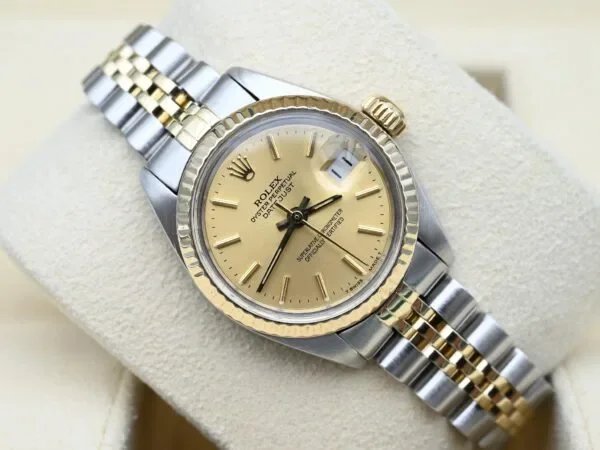
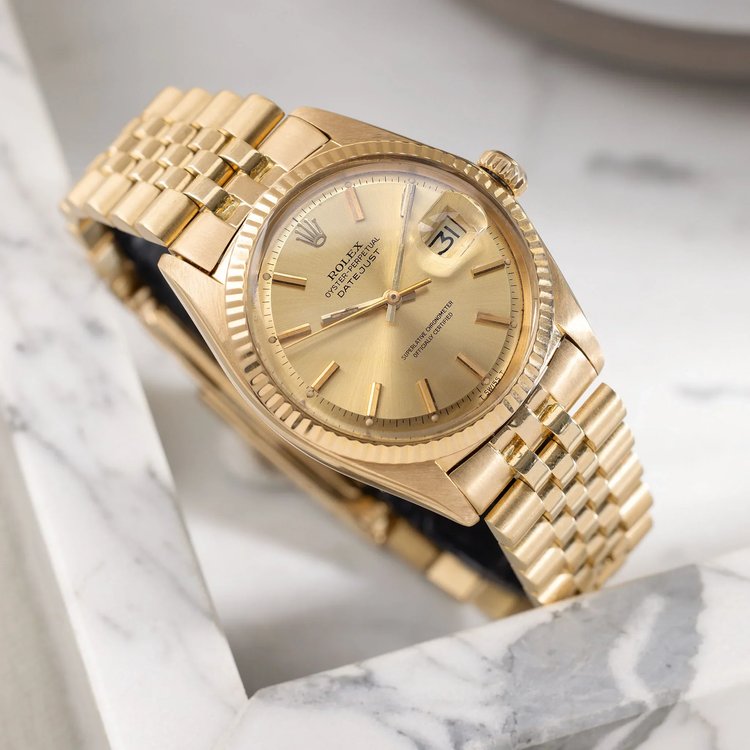
The one Rolex you can often just buy: fluted, smooth, or diamond dials in multiple sizes, $8,000-12,000. Two-tone configurations sit in cases. If you want the Rolex experience without the Rolex games, this is the door that's open.
3. Tudor Black Bay 58
Rolex's sibling brand: in-house movement, 39mm vintage dive perfection, $3,800-4,200 — available at dealers today. The watch people buy after the Sub waitlist humiliates them, and the one they often end up preferring.
4. Omega Seamaster Diver 300M
300m, ceramic everything, Master Chronometer co-axial movement, $4,500-5,500 — in stock. On engineering merit it matches or beats the Submariner; what it lacks is only the crown logo's queue.
5. Grand Seiko SBGA211 'Snowflake'
Spring Drive movement, titanium case, hand-finished dial, $5,800-6,200 — available. The connoisseur's answer: finishing that rivals anything in Switzerland and a movement found nowhere else on earth.
6. Tudor Pelagos 39
Titanium diver, in-house movement, 200m, $4,400-4,700 — walk in and buy it. The modern-tool-watch pick: lighter than a Sub, tougher than it needs to be, and gloriously unhyped.
7. Tissot PRX Powermatic 80
The $695 answer for buyers who realize it was the integrated-bracelet look they wanted: 80-hour automatic, sapphire, in stock everywhere. Sometimes the shortage does you a favor.
How They Compare
The pre-owned Submariner is the direct answer — same watch, no games, modest premium. The Datejust is the retail-available Rolex hiding in plain sight. The Tudor, Omega, and Grand Seiko are the 'equal watch, no wait' tier, and the PRX is the reminder that the itch sometimes costs $695 to scratch. What doesn't work: waiting patiently with no purchase history, or paying flipper premiums on grey-market steel pieces at 50%+ over retail — both pay more for less.
FAQ
Will the Rolex shortage end?
No. Rolex could double production and choose not to — scarcity is the business model, and it's working. Waitlists for steel sport models have been multi-year since 2016 and the pattern is structural, not cyclical. Plan around it, don't wait for it.
How do I actually get a Submariner at retail?
Build purchase history at one authorized dealer: buy the available pieces (Datejusts, Tudors, jewelry), visit consistently, be pleasant, and state your target clearly. It's a relationship game measured in years — or skip it entirely for $2,000-3,000 pre-owned premium.
Is pre-owned Rolex safe?
From reputable dealers with box, papers, and return policies, yes — the pre-owned Rolex market is the most liquid and authenticated in watches. Verify the serial, use dealers with physical locations, and avoid 'too good' pricing, which is never real.
Are Tudor and Omega really as good?
On build and movement engineering, genuinely yes — Omega's Master Chronometer spec exceeds Rolex's in several metrics, and Tudor shares Rolex's case-and-bracelet suppliers. What they lack is resale gravity: a Submariner is a savings account; a Seamaster is a watch. Buy accordingly.
The Verdict
If it must be a Submariner, buy it pre-owned today and consider the premium a queue-skipping fee — it's the cheapest years of your life you'll ever buy back. If it must be retail, build history or buy the Datejust that's actually in the case. And if it's actually about the watch, the Black Bay 58, Seamaster 300M, and Snowflake are waiting in stock right now, wondering why you're standing in line for something they already match.